


Saturday, May 30, 2026

44th Medical Brigade Integrates Drones Into Medical Resupply Operations

Left
U.S. War Department: News
44th Medical Brigade Integrates Drones Into Medical Resupply Operations
May 29, 2026 |  By Army Sgt. Brandon Hocson, XVIII Airborne Corps Public Affairs

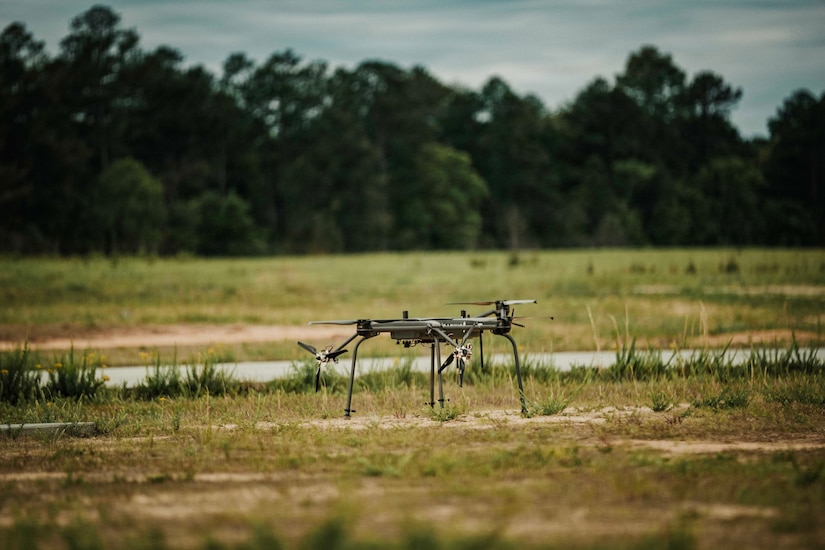
Soldiers assigned to the XVIII Airborne Corps' 44th Medical Brigade are expanding battlefield medical support capabilities by integrating unmanned aircraft systems into medical resupply operations.

Army 1st Sgt. Fisamuel Reggans and Cpl. David Sanchez, both dental specialists assigned to the brigade's dental company area support element, recently graduated from the unmanned aircraft systems course at Clemson University's Drone Academy.

The eight-week online program provided training in drone operations and expanded the unit's ability to support medical resupply missions during field training exercises and deployed operations.

The program supports the Army's modernization efforts. It highlighted the need for medical units to adapt to sustain operations in contested and austere environments where traditional resupply methods may be delayed or restricted.

Reggans said UASs provide the unit with the flexibility to quickly and effectively resupply soldiers, keeping them in the fight. He added that it also enhances soldier safety, allowing commanders to mitigate unnecessary risk.

"We would rather send out a drone than a soldier," he said.

The new capability allows medical personnel to rapidly transport critical supplies necessary for patient care and treatment while reducing the manpower and risk associated with traditional ground resupply methods. Unmanned systems can improve response times, extend operational reach and reduce exposure for soldiers operating in hazardous environments.

The training also encouraged medical personnel to think beyond traditional medical roles and develop technical skills that support future battlefield operations.

Reggans said one of the most valuable aspects of the course was learning how to operate the systems manually, providing additional flexibility if automated systems fail during operations.

Sanchez said that with medical operations, there will always be a need for supplies. This capability not only makes resupply easier, but it also reduces delivery times.

The graduates said unmanned systems can significantly improve continuity of care by delivering supplies more quickly and efficiently while reducing the need to place additional personnel in dangerous operational areas.

The training also provided opportunities for collaboration across multiple warfighting functions while expanding operational knowledge beyond traditional medical specialties. Leaders within the brigade said emerging technologies, such as unmanned systems, will continue to play a growing role in future medical operations by improving speed, flexibility and survivability across the force.

Right


ABOUT   NEWS   HELP CENTER   PRESS PRODUCTS
Facebook   X   Instagram   Youtube

Unsubscribe | Contact Us


This email was sent to sajanram1986.channel@blogger.com using GovDelivery Communications Cloud on behalf of: U.S. Department of War
1400 Defense Pentagon Washington, DC 20301-1400

No comments:

Post a Comment