| Welcome to the United Nations | | | | |
| UN News | | Global perspective Human stories | | | | | |
| Week in Review | 7 February 2026 | | | | | |
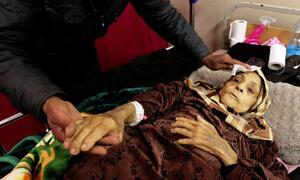
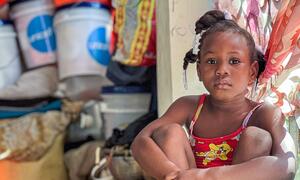
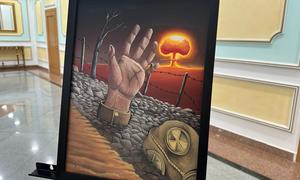
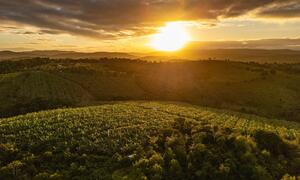
| Catch up on this week's must-read stories | | There's been more detail this week on the financial crisis facing the UN, due to the failure by some large Member States to pay what they owe. But once again, we're focusing on the work that we keep doing – day in and day out – on behalf of people worldwide who need our support. We heard the latest from the frontline of the Ukraine war as the IAEA tries to keep the world safe from a nuclear reactor meltdown. We heard from Haiti where the UN's appealing for more funding to aid six million people. We heard about the work our reproductive health agency and others are doing to end FGM – female genital mutilation. We welcomed the promise of $6 billion in HIV/AIDS funding promised through a new bipartisan Congressional bill in Washington. We unveiled the new independent scientific panel that's being tasked with assessing and deliberating over keeping AI safe to use for all. And from Gaza, we had the harrowing story of the cancer patients facing premature death unless Israel allows them to leave via the partially reopened Rafah crossing. And from Brazil, we had the story of how "agrihoods" could become the green community model that every city needs to thrive in the future. All this and much more, in our highlights of the week. | | | | | | | | |
| 'Deepfake abuse is abuse,' UNICEF warns | | New evidence reveals a proliferation of sexualised images of youngsters generated by artificial intelligence (AI) and a dearth of laws to stop it, the UN Children's Fund (UNICEF) warned on Wednesday. | | Read more | | | | | | Welcome to the 'agrihood' – the neighbourhood of the future? | | Towns and cities are home to more than half of the world's population and responsible for around 70 per cent of the greenhouse gas emissions driving the climate crisis, which is why urban planners in Brazil are leading a design revolution that could point the way to creating built-up areas with a dramatically smaller carbon footprint. | | Read more | | | | | | | | | |









No comments:
Post a Comment